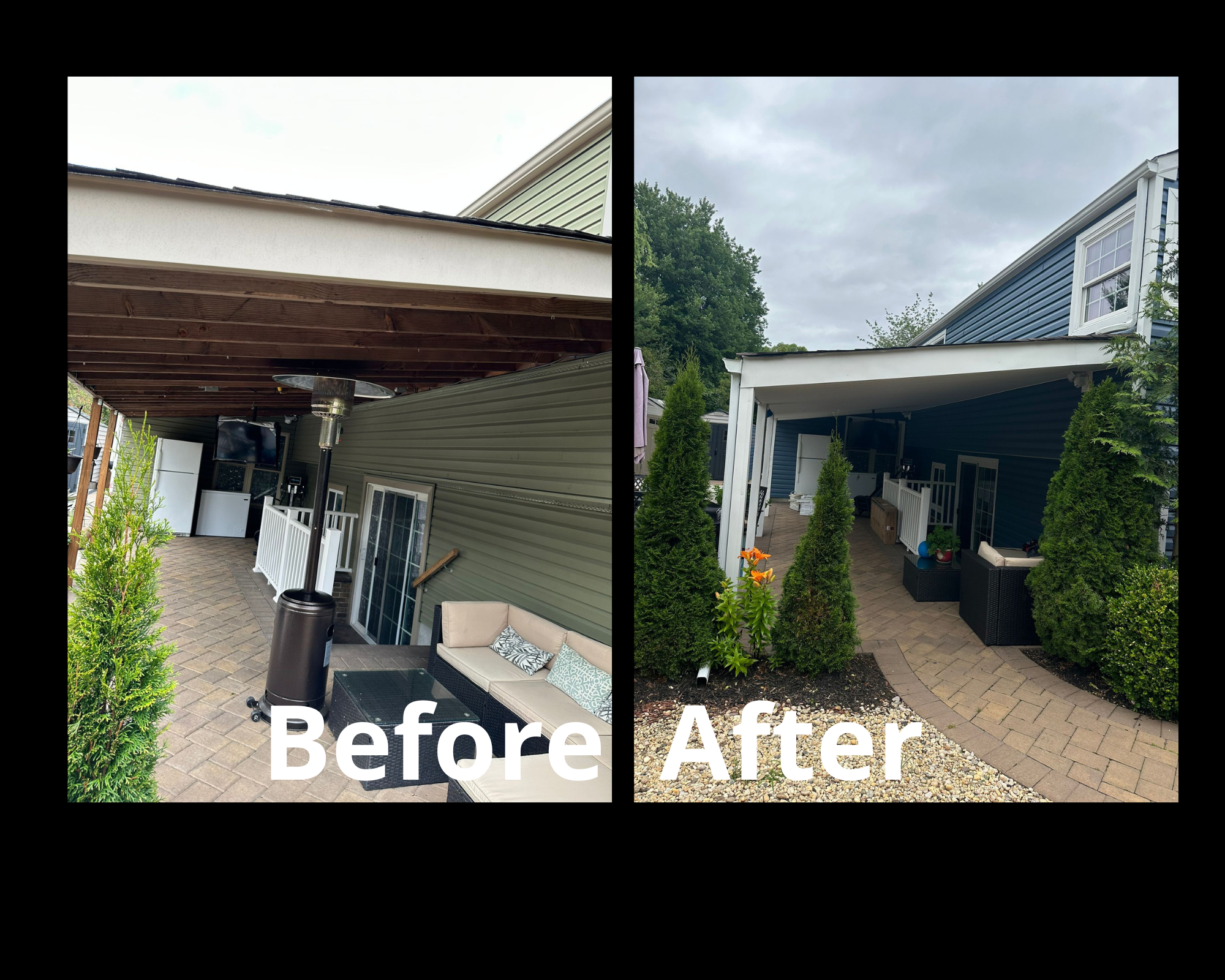
Painting Your Home: Tips for a Professional Finish
Painting your home can be a daunting task, but with the right techniques and tools, you can achieve a professional finish. In this article, we will cover essential tips for residential painting that will help enhance your home’s aesthetic appeal while ensuring durability.
Why Paint Your Home?
Painting your home offers numerous benefits, including:
- Enhancing the aesthetic appeal of your home.
- Protecting surfaces from damage caused by weather and wear.
- Increasing the overall value of your property.
- Creating a fresh, clean atmosphere.
- Allowing for creative expression through color choices.
Preparation is Key
Before you start painting, proper preparation is essential to ensure a smooth and successful job. Here are some important steps:
- Clear the area: Move all furniture and cover the floors with drop cloths.
- Repair walls: Fill in holes and cracks with spackle or plaster.
- Clean surfaces: Wash walls to remove dirt and grease for better adhesion.
- Choose the right paint: Select high-quality paint suitable for your specific needs.
Choosing the Right Paint
Choosing the right paint is crucial for achieving a professional finish. Consider the following factors:
Types of Paint
- Latex Paint: Water-based, easy to clean, and dries quickly.
- Oil-based Paint: Offers a durable finish, ideal for high-traffic areas.
Finish Options
- Matte: Non-reflective, ideal for ceilings.
- Eggshell: Slightly glossy, easy to clean, good for living areas.
- Satin: Durable and washable, suitable for kitchens and bathrooms.
- Semi-gloss: Reflective, perfect for trim and moldings.
- High-gloss: Highly reflective, great for cabinets and furniture.
Essential Tools and Supplies
Having the right tools and supplies can make the painting process smoother and more efficient. Here’s a checklist of what you’ll need:
- Paintbrushes: Various sizes for different areas.
- Rollers: For larger wall areas.
- Painter's tape: To protect edges and create clean lines.
- Paint trays: For easy loading of paint.
- Drop cloths: To protect floors and furniture.
- Ladder: For reaching high areas.
Techniques for a Professional Finish
Once you've prepared the area and gathered your supplies, it’s time to paint. Here are some techniques to ensure a professional-looking finish:
- Start with the edges: Use a brush to paint edges and corners before using a roller.
- Use the 'W' technique: When rolling, use a 'W' motion to distribute paint evenly.
- Apply multiple coats: Allow each coat to dry before applying the next for better coverage.
- Remove painter's tape: Peel off tape while the paint is still slightly wet for clean lines.
Post-Painting Care
After the painting is complete, it’s important to take care of your newly painted surfaces. Here are some tips:
- Allow paint to cure: Give the paint time to cure before cleaning the surfaces.
- Regular cleaning: Use a damp cloth to wipe down walls and maintain cleanliness.
- Avoid heavy furniture placement: Wait at least a week before placing heavy items against freshly painted walls.
Conclusion
Painting your home can significantly enhance its beauty and value. By following these tips and techniques, you can achieve a professional-looking finish that you can be proud of. Whether you choose to do it yourself or hire professionals, proper preparation and execution are key factors in ensuring a successful painting project.